Loading statistics...
Cameroon Water Information System (WIS)

In light of the harmful effects caused by the lack, insufficiency and/or inadequacy of basic drinking water and sanitation infrastructure, and especially the recurrence of waterborne diseases such as cholera, urgent and large-scale action is required. This will necessarily involve raising awareness among all stakeholders and prioritising the major needs in the drinking water and liquid sanitation sub-sectors for their effective integration into the country's various development strategies. In the drinking water supply and liquid sanitation sector, as in many others, sound decision-making depends on the quality of the knowledge of the situation on the ground. Hence the need to have data that is as comprehensive and structured as possible. For this reason, the Ministry of Water and Energy (MINEE) compiled an inventory of water and sanitation facilities across the national territory.Although it provides an overview of the state of the available infrastructure, the inventory is limited in scope by its one-off nature. It only provides a snapshot of the situation at a given moment in time and therefore cannot serve as a high-quality benchmark for the sector's management. Furthermore, the data in the inventory does not cover all the information needed for decision-making.
To fill existing gaps and make the production of statistical information needed to manage water and sanitation policies, programs and projects more systematic, the Ministry in charge of Water has initiated the implementation of a data management mechanism for drinking water supply, hygiene and liquid sanitation facilities (DWSHS). This system is expected to improve the availability and timeliness of information to help the sector's managers make decisions based on evidence drawn from comprehensive and reliable data. This will improve the quality of planning and investment, thereby helping to bridge the existing gap. The system will also contribute to improving equity in the allocation of resources and the distribution of water and sanitation facilities across the country.
The database will build on the current mechanism used to collect and manage data on the works.
The process of data collection, analysis and dissemination in the WIS involves several stages, namely: preparation of data collection forms, fieldwork, data transfer via mobile devices, data analysis, validation and publication.
Data collection takes place in the field across all 10 regions of Cameroon.
Data analysis is carried out by MINEE after the compilation of data collected at the regional level.
The data is published through the DWSHS platform, which provides concise analytical summaries to facilitate decision-making.
Loading data...
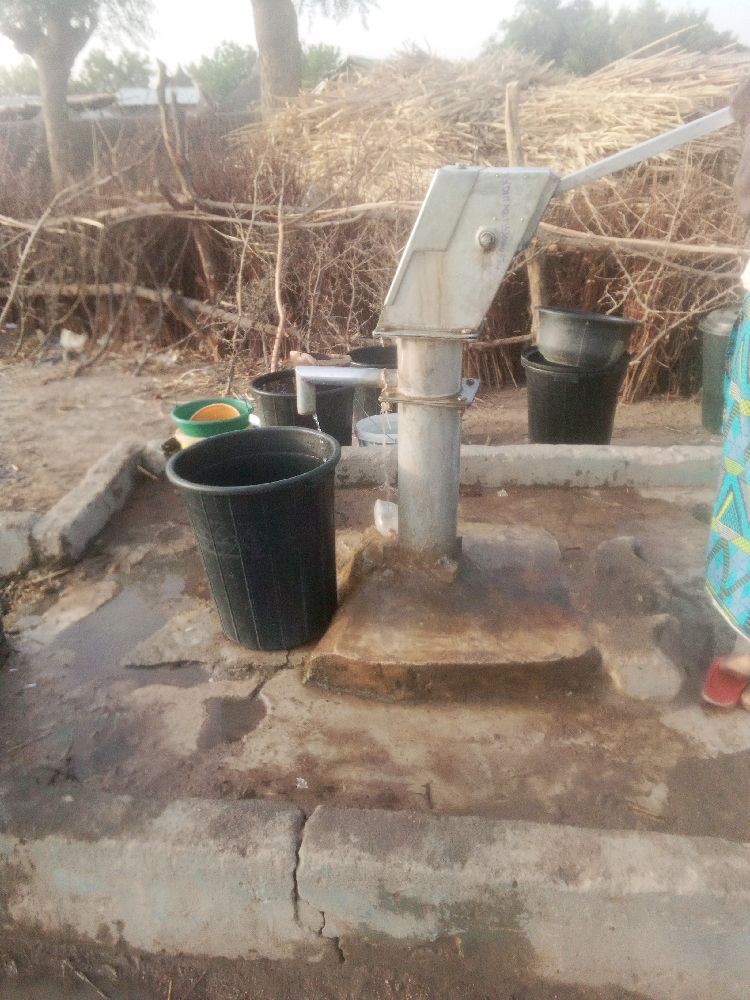
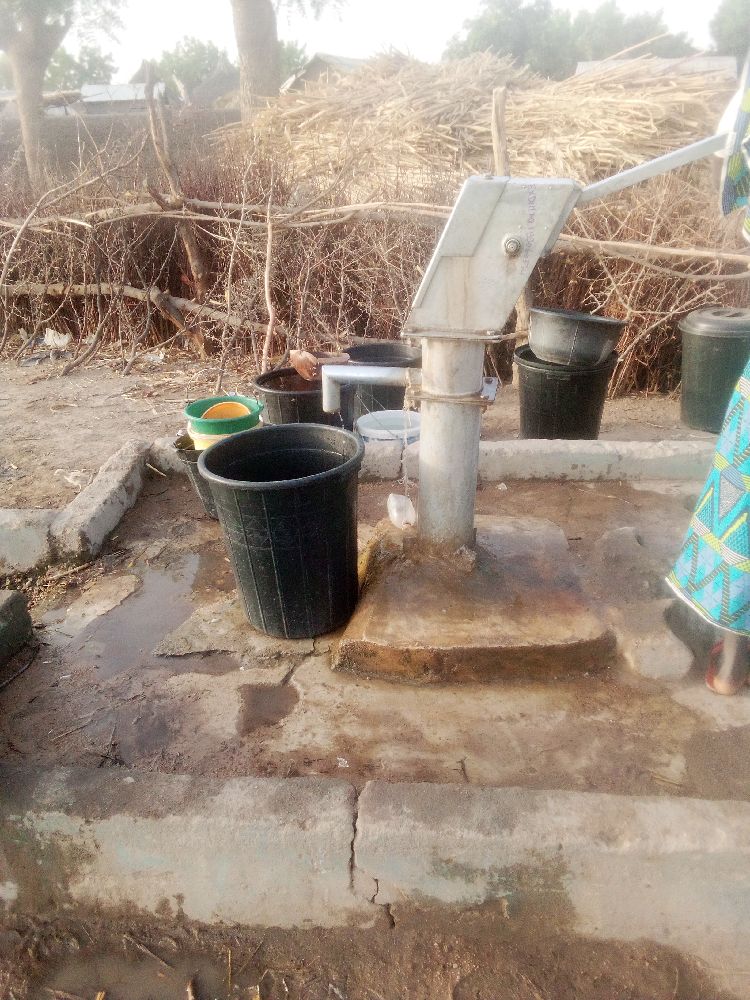
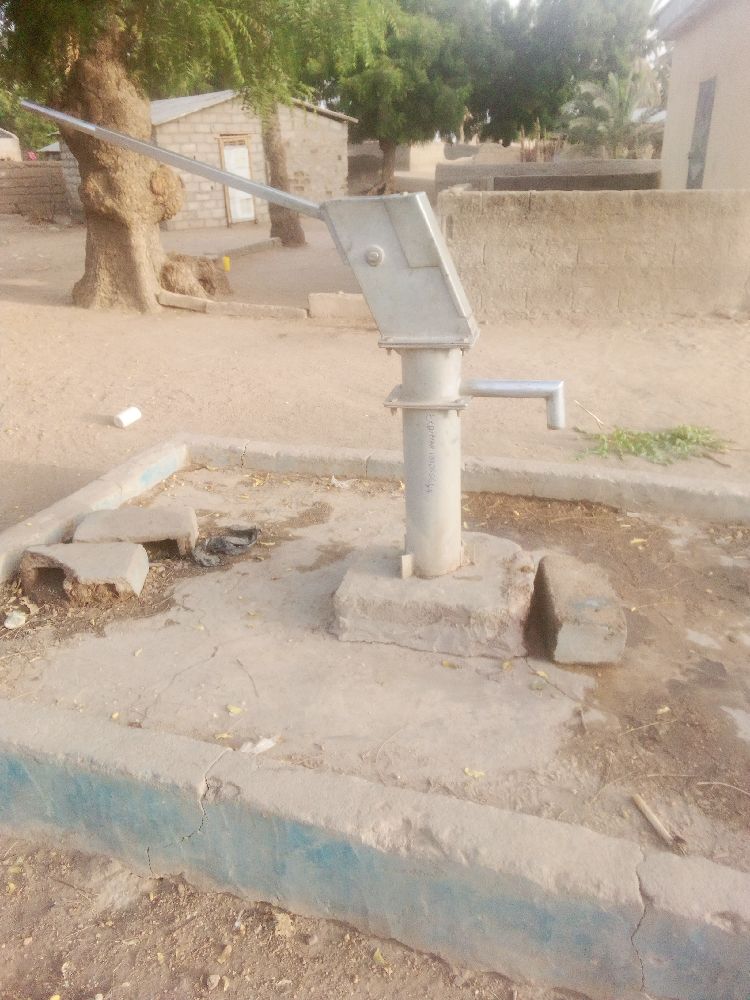
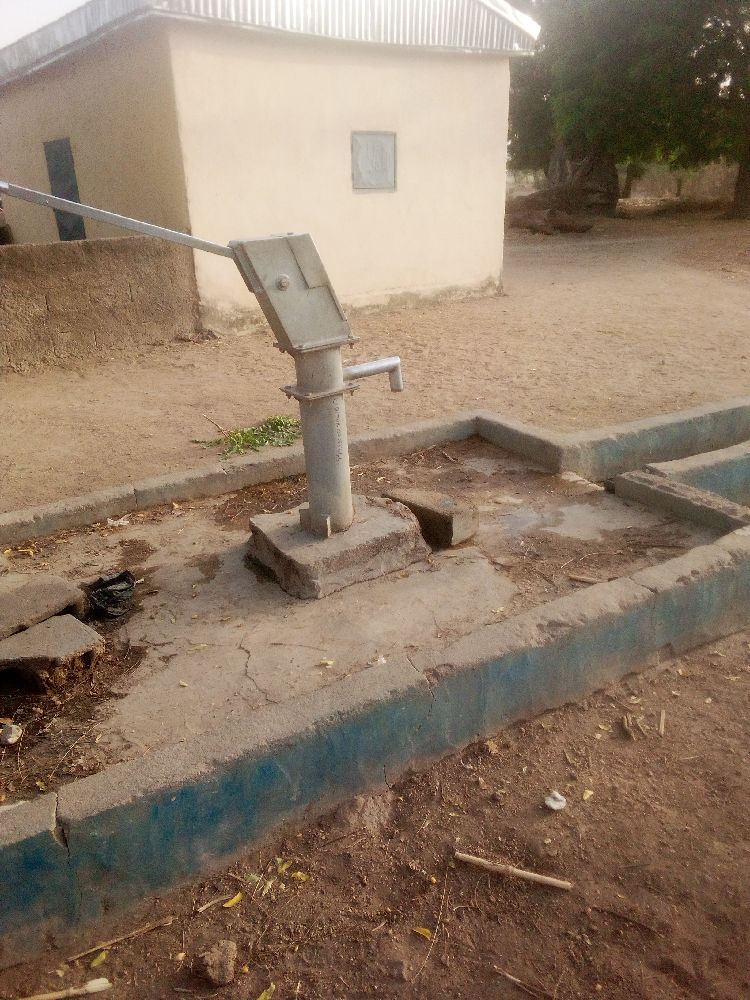
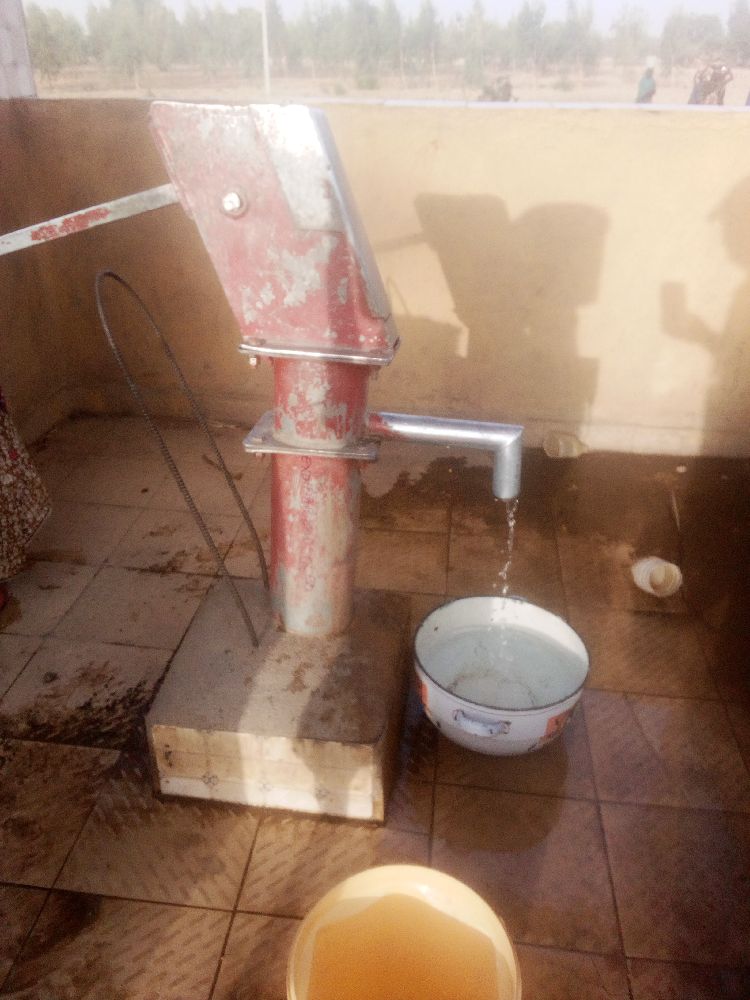
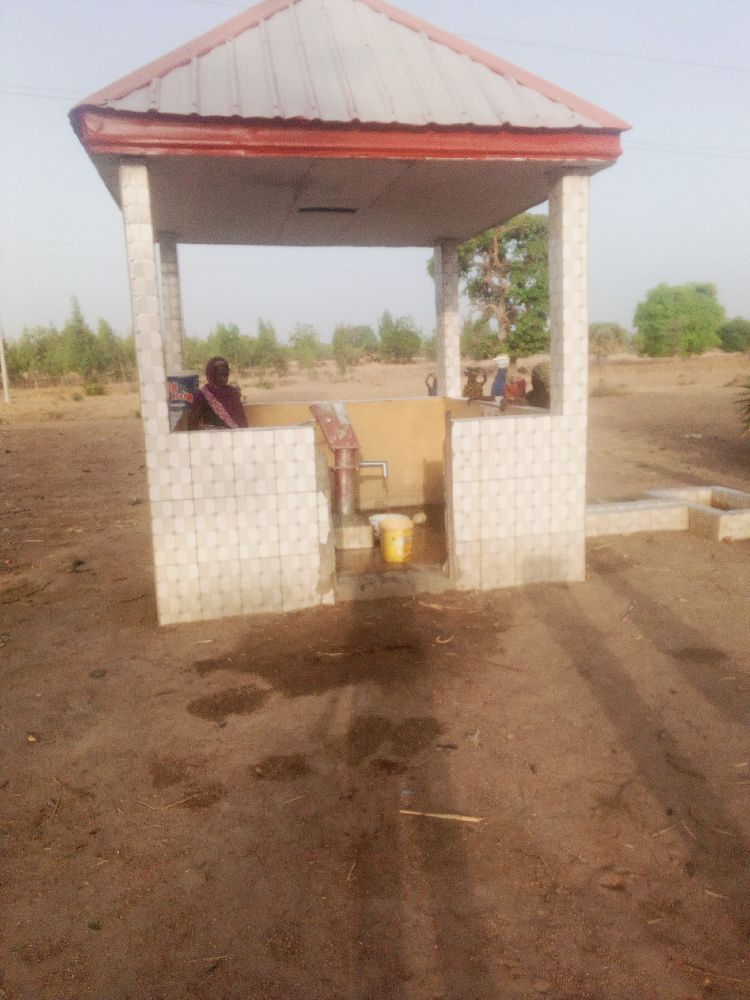
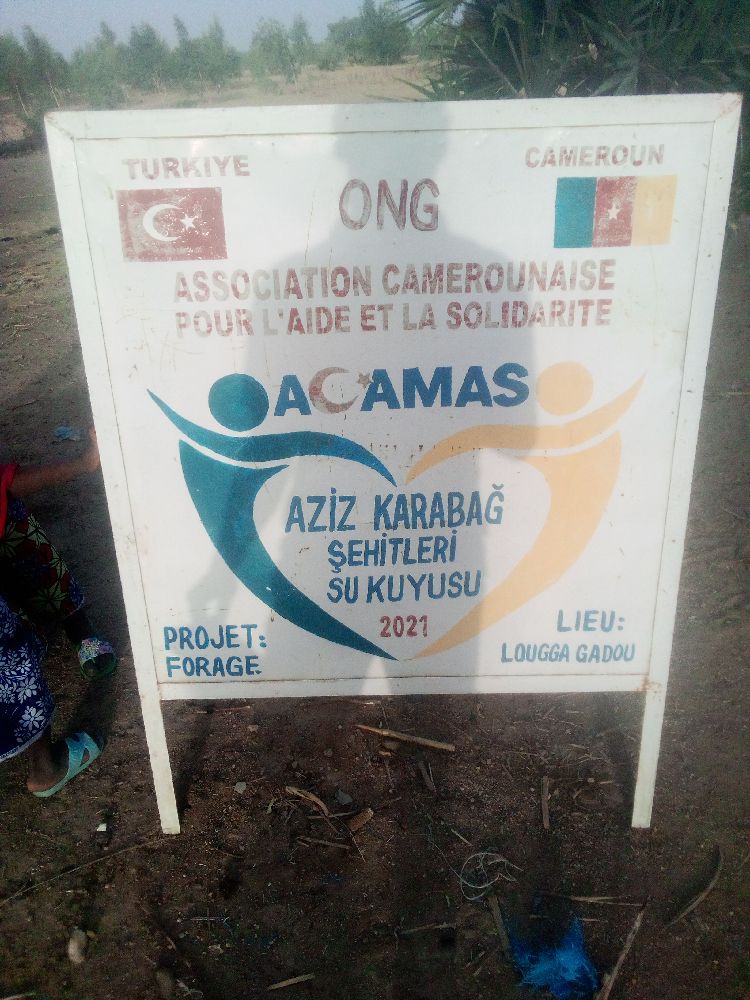
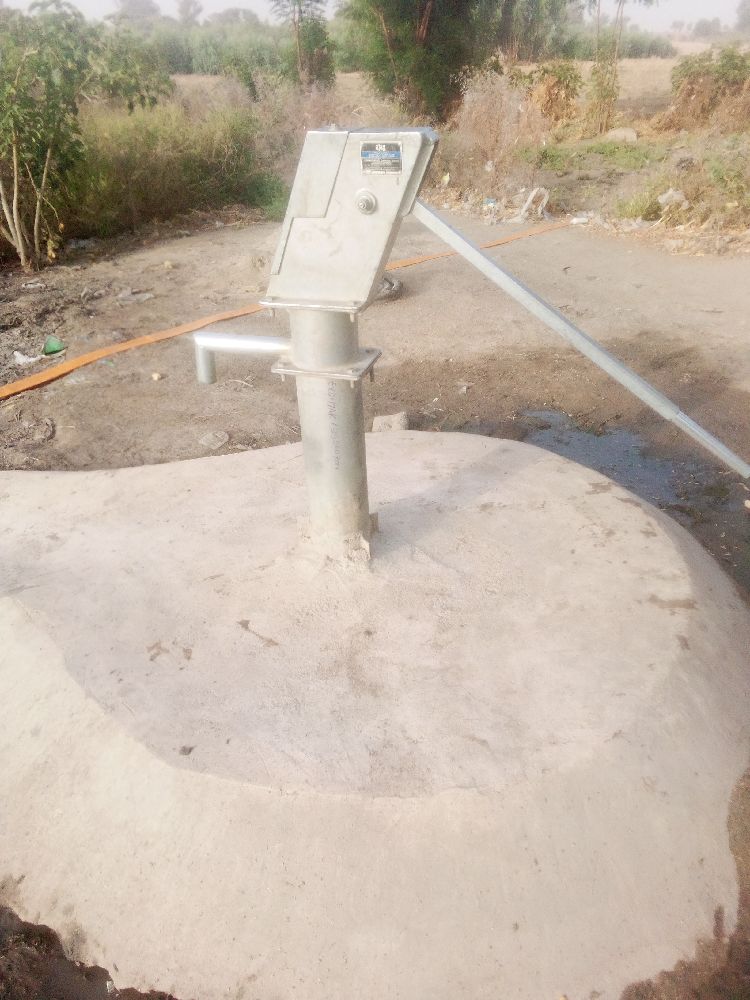
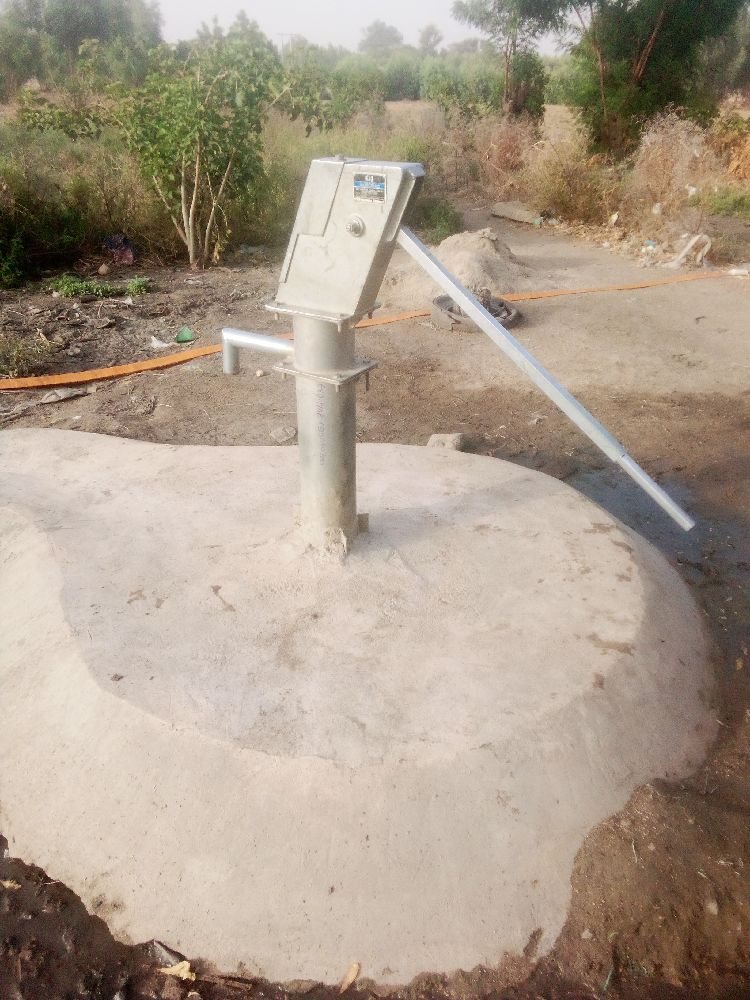
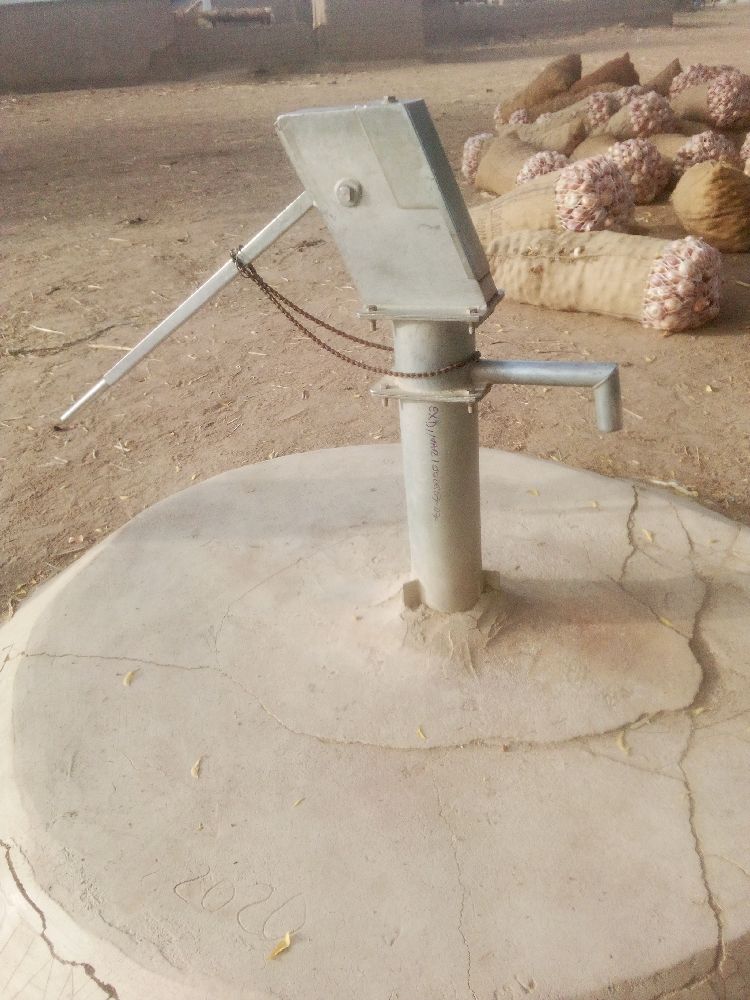
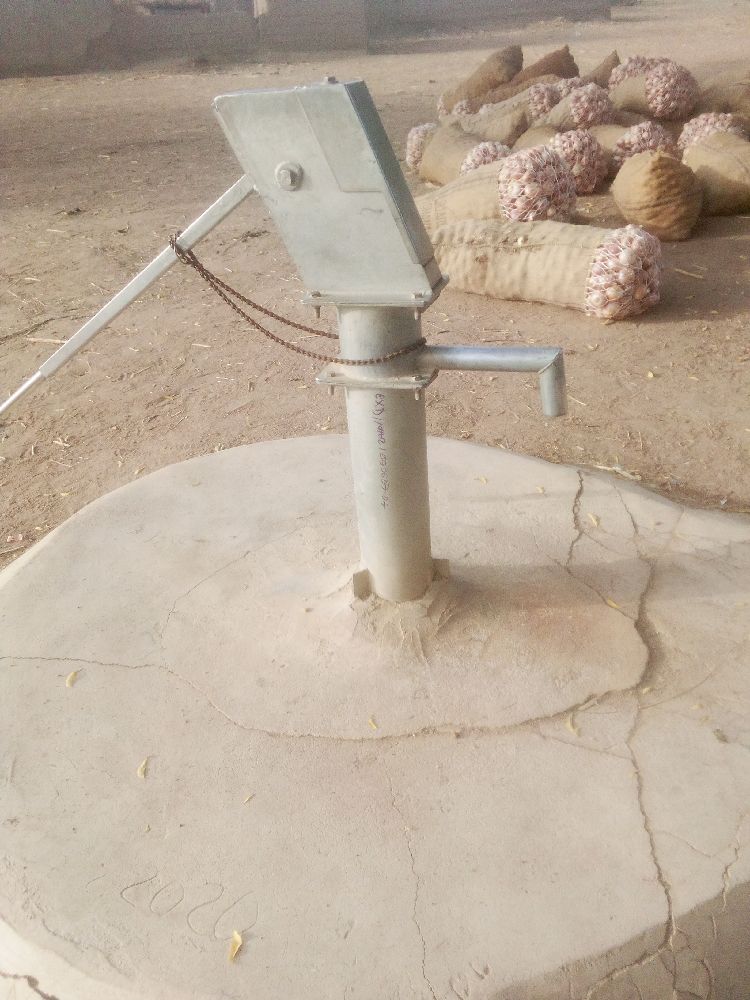
Some photos of the drinking water supply, hygiene, and sanitation facilities, taken during our various field trips.